Up to 0%
Lower maintenance cost

Keep critical assets reliable, safe and ready for production.
Maintenance loses time when machine condition, work requests, parts and release decisions are disconnected. Aivhy connects them with production context, so teams can prevent failures, repair faster and return equipment to service with confidence.
Up to 0%
Lower maintenance cost
Up to 0%
Faster mean time to repair
Up to 0%
Less searching
Reference outcomes from individual World Economic Forum Global Lighthouse sites. Results depend on the site, process and scope.
Support preventive and condition-based maintenance, structured corrective work and one controlled path from error or alarm to verified production release.
Explore the eight connected stages. Each stage shows one example of where work can break down, how Aivhy can help and what can change in practice. They are a selection from many practical ways Aivhy can improve your maintenance process. Use the button below to discuss the priorities in your operation.
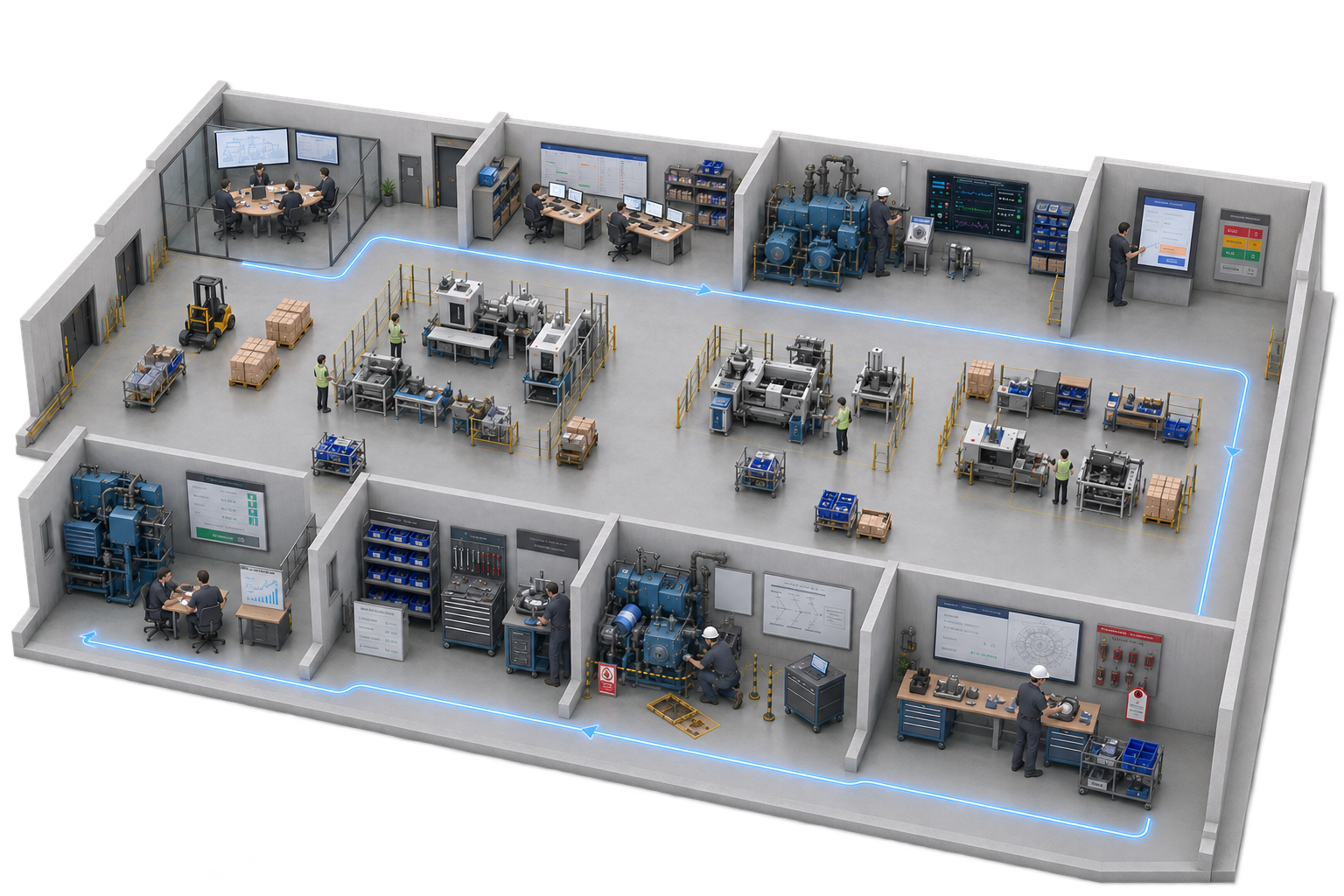
Aivhy starts with the machines, systems and working methods already in place. It connects maintenance with existing ERP, CMMS, spare-parts systems, machine data and production workflows, then adds the missing digital steps without forcing a full replacement.
These are three examples of where day-to-day maintenance can lose time, control or reliability. Every maintenance team has many more processes and improvement opportunities.
A machine that runs hard needs attention earlier than one that has barely been used. Aivhy can use runtime, cycles and condition context to initiate the right maintenance action.
The team needs to see when the machine stopped, which alarms occurred, how long response and repair took, what was done and when production was safely released.
A work order is not executable when the technician, instruction, spare part, tool, safety permit or production window is missing. Readiness should be clear before the planned start.
Critical assets, tools, parts, work orders and documents share one operational context.
Condition signals lead to inspections, work orders or accountable actions.
Breakdowns follow one controlled timeline from detection to verified release.
Recurring faults and maintenance history improve the next preventive task.
Maintenance decisions become more useful when the technician, asset condition, work instruction and production context stay connected.
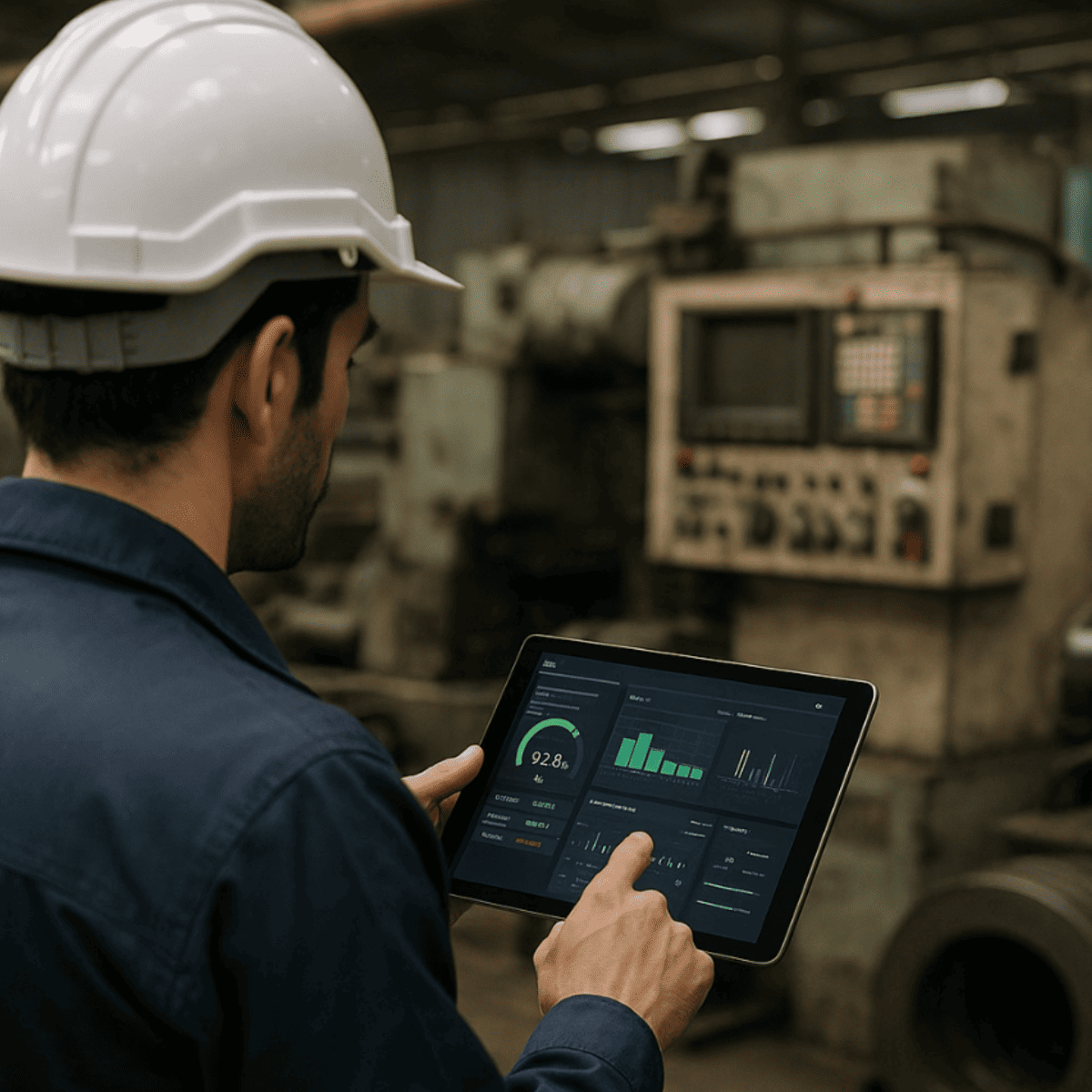
Technicians can access the work order, machine context and required action where the work happens.

Maintenance, production and quality can see when an asset is tested, released and ready to run.
You do not need to replace the systems already in place. Start with one issue — condition monitoring, preventive maintenance compliance, breakdown response, spare-part readiness, tool and mould maintenance, or asset release — and connect the missing workflow around it.