Up to 0%
Shorter testing cycle time

From test request to approved Lab Test Report.
Laboratory work slows down when requests, samples, methods, chambers, test data and approvals are managed separately. Aivhy connects the complete testing workflow, so teams know what is ready, what is waiting and what blocks product release.
Up to 0%
Shorter testing cycle time
Up to 0%
Lower testing energy consumption
Up to 0%
Reduced manual errors
Reference outcomes from individual World Economic Forum Global Lighthouse sites. Results depend on the site, process and scope.
Create one controlled path from the testing requirement to approved evidence for Quality, Engineering, Production and the customer.
Explore the eight connected stages. Each stage shows one example of where work can break down, how Aivhy can help and what can change in practice. They are a selection from many practical ways Aivhy can improve your laboratory process. Use the button below to discuss the priorities in your operation.
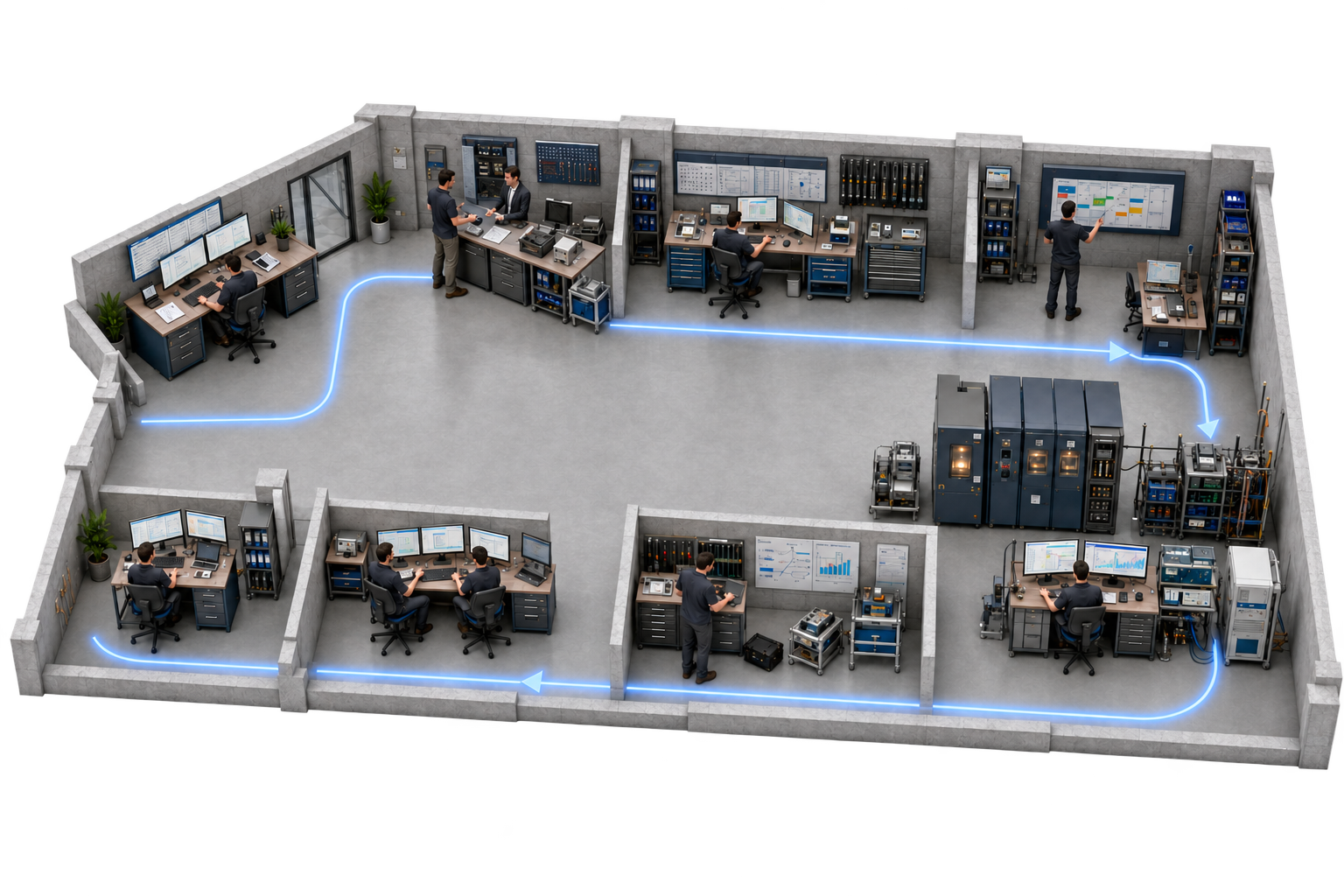
Aivhy connects the information already available in LIMS, QMS, ERP, chambers, test benches, measuring equipment and laboratory records. BOS creates the shared operational view, while BAS guides requests, preparation, deviations, retests, reports and approvals where work still depends on email, spreadsheets or paper.
These are three examples of where day-to-day laboratory work can lose time, evidence or traceability. Every laboratory has many more processes and improvement opportunities.
A verbal request or email often misses the sample identity, correct method, priority, due date or required decision. Aivhy creates one complete test order before laboratory capacity is reserved.
A long-running test can be delayed by unavailable capacity, fixtures, sensors, calibration or maintenance. Aivhy makes readiness, conflicts and release-critical tests visible before the planned start.
When a chamber alarms or a sensor fails, the team must decide whether to continue, extend or retest. Aivhy keeps the event, approval and original data together in the audit trail.
One chain of custody. The request, test item, method, equipment, data and report remain linked from intake to release.
Less manual recording. Connected chambers and test equipment reduce repeated readings and transcription errors.
Clearer capacity and priorities. Teams can see waiting work, equipment availability and tests that block product release.
Audit-ready decisions. Deviations, retests, reviews and approvals stay attached to the original evidence.
Laboratory decisions become more reliable when test items, equipment data, methods and approvals remain part of one controlled record.

Chamber status, equipment readiness and scheduled test work become visible in one operational view.
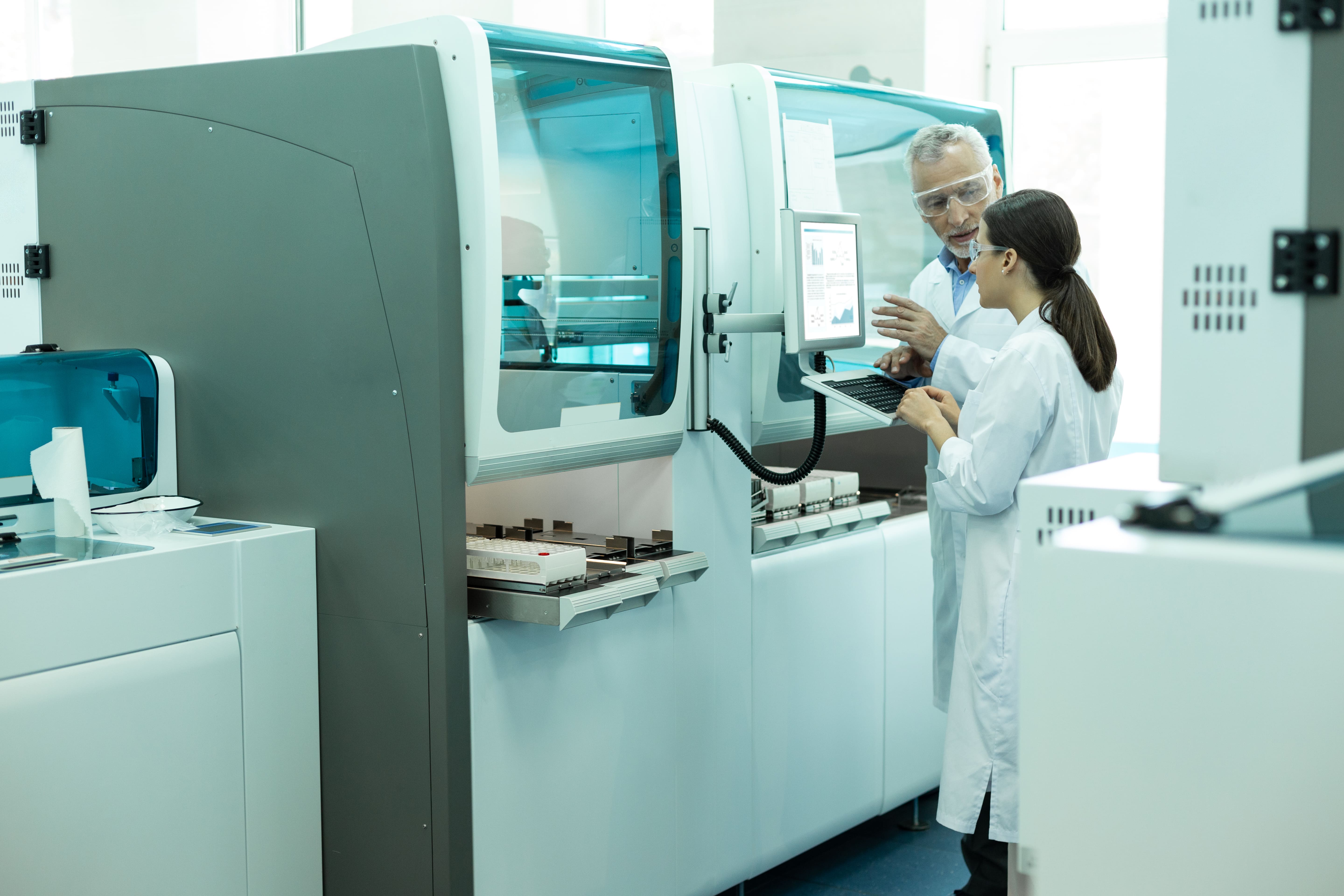
Methods, live data, deviations and required approvals stay connected to the test item and report.
You do not need to replace the systems already in place. Start with one issue — test requests, sample traceability, chamber planning, live equipment data, deviations, report approval or product release — and connect the missing workflow around it.